Top 10 Glass Wine Bottles Manufacturers You Need to Know?
The glass wine bottle industry plays a crucial role in the global wine market. In 2022, it was valued at approximately $10 billion and is expected to grow steadily due to rising wine consumption. This growing market has spurred the rise of various manufacturers. Among them, the "Top 10 Glass Wine Bottles Manufacturers" stand out as key players.
These manufacturers use innovative techniques and sustainable practices to produce high-quality bottles. Their expertise contributes significantly to wine preservation and branding. For instance, companies like O-I Glass and Verallia are recognized for their commitment to environmentally friendly production methods. However, challenges still arise, including competition and fluctuating raw material prices. Understanding these dynamics is vital for any stakeholder in the wine industry.
In summary, the top manufacturers influence trends in the glass bottle market. Their impact extends beyond production to include environmental considerations and consumer preferences. Knowing these "Top 10 Glass Wine Bottles Manufacturers" is essential for professionals and enthusiasts alike.
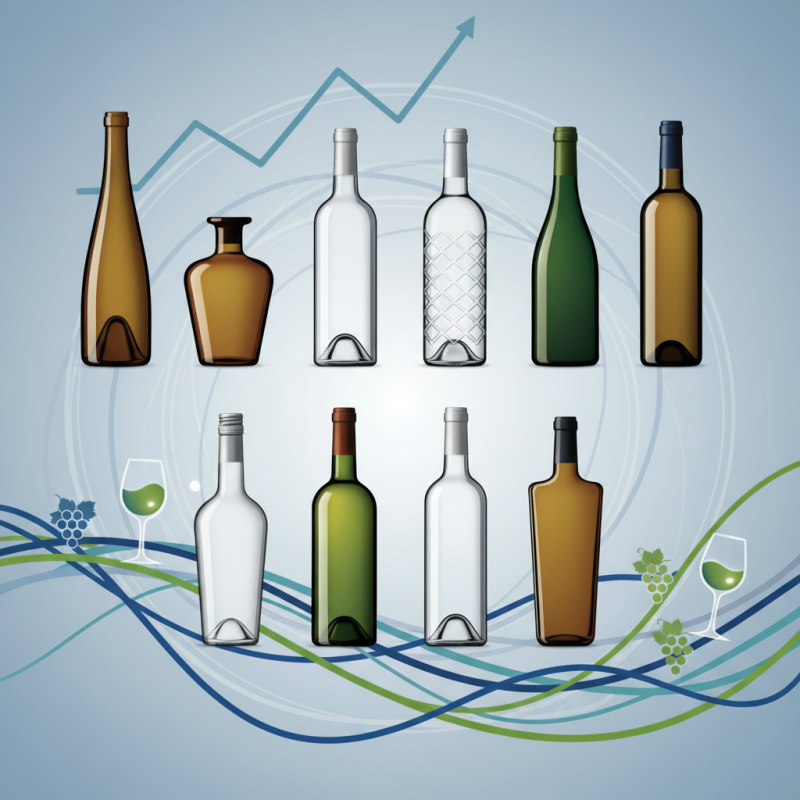
Overview of the Glass Wine Bottle Manufacturing Industry
The glass wine bottle manufacturing industry plays a crucial role in the beverage sector. In 2022, the global demand for glass wine bottles reached approximately 10 billion units. Demand is anticipated to grow steadily due to an increasing preference for recyclable packaging. Both environmental and aesthetic factors drive this trend.
However, many manufacturers face challenges. The rising cost of raw materials, such as silica sand and soda ash, impacts production expenses. Additionally, strict regulations on environmental standards necessitate constant adaptations in manufacturing processes. It's essential for manufacturers to engage in sustainable practices while ensuring quality.
Tip: Focus on reducing waste in production. Implementing lean manufacturing techniques can enhance efficiency.
Innovation is vital for this industry. New lightweight designs are emerging, which help reduce transportation costs and carbon footprint. Attention to design and functionality must not overshadow quality control. Maintaining high standards leads to improvements in customer satisfaction and loyalty.
Tip: Invest in quality assurance protocols. Consistent quality can differentiate products in a competitive market.
Glass Wine Bottle Production by Region
Key Features to Look for in Quality Glass Wine Bottles
When selecting glass wine bottles, quality is essential. Look for bottles that have a uniform thickness. This ensures durability and helps maintain the wine’s integrity. Pay attention to the seals as well. A well-fitted cork can prevent oxidation, while a screw cap might offer convenience but vary in effectiveness.
The weight of the bottle also matters. Heavier bottles generally indicate quality. They tend to offer better protection against UV light, which can spoil your wine. Check for clarity and color consistency too. Clear glass allows you to see the wine, but dark glass protects it. Amber and green tints are common; they help reduce light exposure.
Tips: Always inspect the finishing touch around the neck and lip. Any rough edges signal poor craftsmanship. Also, consider the style of the bottle. It should not only be functional but also visually appealing. Remember, a good bottle enhances the drinking experience, reflecting the quality of the wine inside.
Top 10 Leading Glass Wine Bottle Manufacturers Worldwide
When it comes to packaging wine, glass bottles are a top choice for many producers. Their airtight seal preserves the wine’s flavor and aroma. Additionally, glass is recyclable, making it an eco-friendly option. Numerous manufacturers specialize in crafting innovative designs that enhance the wine's visual appeal.
Across the globe, companies are refining their glass-making processes. They strive to strike a balance between durability and aesthetics. Each manufacturer approaches this challenge differently. Some focus on traditional craftsmanship, while others employ cutting-edge technology. These varying methodologies reflect the diversity in the wine industry.
It is important for producers to select the right supplier. Quality control standards vary widely among manufacturers. Some may excel in creating visually stunning bottles, while others focus on functionality. It's vital to evaluate a manufacturer's reputation and reliability before forging a partnership. Ignoring this step can lead to challenges down the line. The right glass partner should align with a producer's vision and needs.
Innovative Manufacturing Techniques Used in Glass Bottle Production
Innovative manufacturing techniques are reshaping the glass wine bottle industry. The introduction of automated production lines has significantly improved efficiency. These systems ensure a consistent quality while reducing human error. However, challenges arise in maintaining the delicate balance between speed and craftsmanship. Not all automated systems can replicate the artistry required for premium bottles.
Another fascinating technique is the use of recycled glass. This not only conserves resources but also reduces energy consumption during production. Companies report that using recycled materials can decrease costs. Still, the quality of recycled glass can be unpredictable, leading to potential inconsistencies. Manufacturers are constantly refining these processes to overcome such obstacles.
Additionally, the integration of advanced technology like 3D modeling has revolutionized design. This allows for innovative shapes and designs that capture consumer attention. However, this technology also requires skilled professionals to translate concepts into reality. It’s a continuous journey of learning and adapting to market needs. The future of glass wine bottle manufacturing is promising, yet it is filled with challenges to navigate.
Sustainability Practices in Glass Wine Bottle Manufacturing
Sustainability in glass wine bottle manufacturing has gained considerable traction. The industry is shifting towards practices that minimize environmental impact. According to a 2022 report from the Glass Packaging Institute, glass is infinitely recyclable. This is crucial since recycled glass requires 30% less energy to produce than new glass.
Many manufacturers are investing in sustainable sourcing of raw materials. However, not all facilities adhere to sustainable practices. A study revealed that only 40% of glass manufacturers use eco-friendly materials consistently. This inconsistency raises concerns about the overall environmental impact of glass production.
Innovative technologies are emerging to reduce emissions during production. One method involves using renewable energy sources, which can lower carbon footprints significantly. Yet, these technologies often require substantial initial investment. This presents a challenge for smaller manufacturers trying to compete. The journey toward sustainability is ongoing, and each company must reflect on its practices to drive positive change.
Top 10 Glass Wine Bottles Manufacturers You Need to Know
| Manufacturer | Country | Sustainability Practices | Recycling Rate (%) | Energy Use (kWh/bottle) |
| Manufacturer A | France | Using 30% recycled glass in production | 85 | 0.8 |
| Manufacturer B | Italy | Use of renewable energy sources | 90 | 0.7 |
| Manufacturer C | USA | Closed-loop water system | 80 | 1.0 |
| Manufacturer D | Spain | Energy-efficient manufacturing processes | 88 | 0.75 |
| Manufacturer E | Germany | Recycled packaging materials | 87 | 0.9 |
| Manufacturer F | Australia | Eco-friendly furnace technology | 86 | 0.85 |
| Manufacturer G | Chile | Sustainable sourcing of materials | 84 | 0.88 |
| Manufacturer H | Argentina | Carbon offset programs | 89 | 0.76 |
| Manufacturer I | Portugal | Community engagement in recycling | 91 | 0.82 |
| Manufacturer J | South Africa | Innovative lightweight design | 85 | 0.78 |